GENERAL
Nelonium: Amazing Secrets Behind Its Powerful Future

Introduction to Nelonium and its Properties
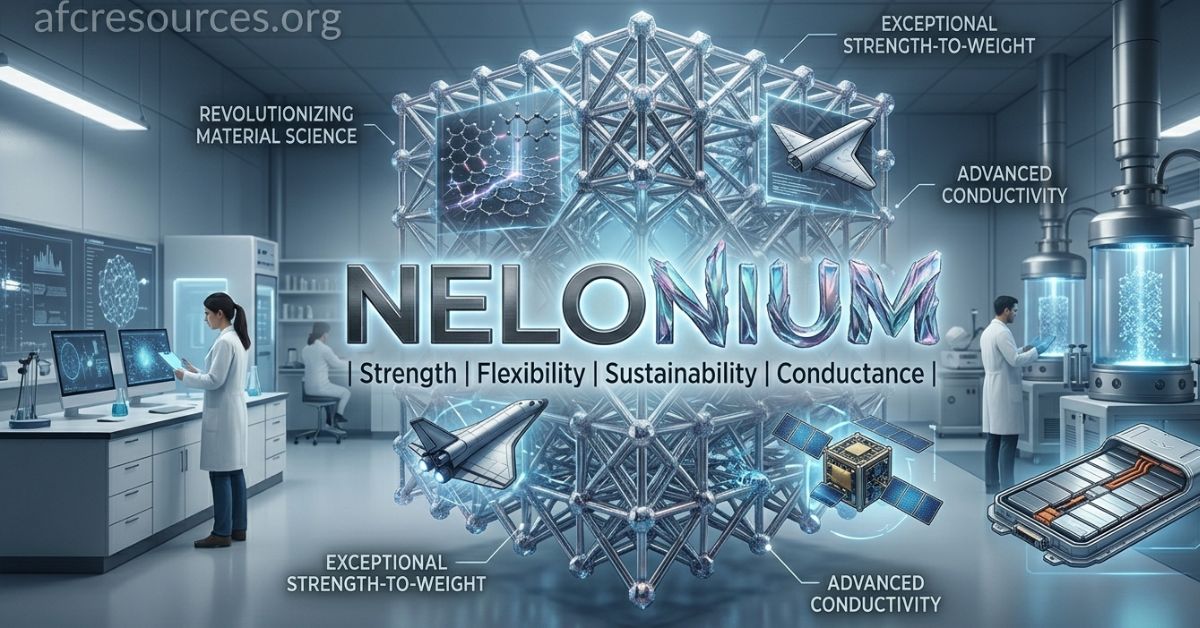
Imagine a material that could revolutionize the way we build, manufacture, and innovate. Meet Nelonium a cutting-edge substance that is reshaping the landscape of material science. With its unique properties and potential applications spanning various industries, Nelonium promises to be the game-changer we’ve all been waiting for. From aerospace to electronics, this remarkable material is already sparking excitement among researchers and businesses alike.
So what exactly makes Nelonium so special? Let’s dive into its fascinating journey from conception to future possibilities.
History and Development of Nelonium
The journey of Nelonium began in the early 21st century, driven by a quest for advanced materials. Researchers were inspired by nature’s most resilient compounds and sought to synthesize something groundbreaking.
Initial experiments focused on combining various elements known for their strength and lightweight properties. This innovative approach led to the discovery of Nelonium a remarkable material with unique characteristics.
As studies progressed, scientists refined its composition. They uncovered ways to enhance its durability while maintaining flexibility. Collaborations between universities and tech companies accelerated development efforts, paving the way for extensive testing.
By mid-decade, Nelonium emerged as a potential game-changer across multiple sectors. The excitement surrounding its capabilities sparked interest from industries ranging from aerospace to consumer goods.
With each phase of research, experts recognized that Nelonium had not just scientific value but also practical applications ready to be explored further.
You May like: Betametacron: Amazing Secrets & Powerful Features Revealed
Advantages of Nelonium over Traditional Materials
Nelonium stands out for its remarkable strength-to-weight ratio. This unique property allows it to outperform traditional materials like steel and aluminum in various applications. Manufacturers can create lighter products without sacrificing durability.
It is also resistant to extreme temperatures and corrosive environments, making Nelonium ideal for industries such as aerospace and marine engineering. Unlike many conventional materials, it maintains integrity under harsh conditions.
Another key advantage of Nelonium is its flexibility in design. It can be molded into complex shapes that traditional materials struggle with, enhancing creativity in product development.
Moreover, Nelonium has a lower environmental impact compared to plastics and metals during production. Its sustainable properties align well with the growing demand for eco-friendly solutions across multiple sectors.
These benefits make Nelonium an exciting alternative that could reshape how we think about material science moving forward.
Potential Applications in Various Industries
Nelonium is poised to revolutionize multiple industries with its unique properties. In the automotive sector, it could enhance fuel efficiency and reduce weight without compromising strength.
Aerospace applications are equally promising. Its lightweight nature and resistance to extreme temperatures make it an ideal candidate for aircraft components, improving performance while cutting down on operational costs.
The electronics industry may also benefit significantly from Nelonium. Its excellent conductivity can lead to faster, more efficient devices with a smaller carbon footprint.
In construction, Nelonium’s durability offers potential for longer-lasting infrastructure solutions that withstand wear better than traditional materials.
Medical technology stands to gain as well; biocompatibility opens doors for innovative implants or prosthetics that integrate seamlessly into the human body. Each of these sectors showcases how versatile this material truly is, hinting at a future filled with exciting possibilities.
Challenges and Limitations in the Production of Nelonium
The production of Nelonium is not without its hurdles. One significant challenge lies in sourcing the raw materials required for its synthesis. These components are often rare and difficult to procure, which can slow down large-scale manufacturing.
Additionally, the complexity of the chemical processes involved poses another obstacle. The production methods must be refined continually to ensure efficiency while maintaining quality.
Another limitation comes from cost factors. Current techniques for producing Nelonium can be expensive, making it less competitive compared to traditional materials in some applications.
There’s an ongoing need for research into scalability. As demand grows, finding ways to produce Nelonium on a larger scale without compromising its unique properties will be essential for widespread adoption in various sectors.
Future Prospects for Nelonium
The future of Nelonium is bright, filled with possibilities across various sectors. As research continues, scientists are discovering new ways to enhance its properties. Innovations in nanotechnology could lead to even stronger and lighter applications.
In aerospace, Nelonium may revolutionize materials used in aircraft and spacecraft. Its unique combination of strength and lightweight nature could improve fuel efficiency significantly.
The automotive industry stands to benefit as well. Electric vehicles might leverage Nelonium for battery casings that offer both durability and heat resistance. This would not only extend the lifespan but also enhance safety features.
Moreover, the construction sector is exploring its use in sustainable building materials. Imagine structures that withstand extreme weather while being eco-friendly at the same time.
With ongoing advancements in production techniques, costs may decrease, making Nelonium accessible for widespread adoption across industries eager for innovation.
Conclusion
Nelonium represents a significant leap forward in material science. With its unique properties and potential, it captures the imagination of researchers and industry leaders alike. The journey from conception to development has been marked by innovation, revealing numerous advantages over traditional materials.
As we explore various industries ranging from aerospace to electronics the possibilities for Nelonium seem endless. However, challenges remain in its production processes that must be addressed before full-scale adoption can occur.
Looking ahead, the future prospects for Nelonium are promising as advancements continue to unfold. Harnessing this remarkable material could very well transform how we approach design and engineering across many sectors. As more breakthroughs happen, it’s clear that Nelonium is not just a passing trend; it’s poised to redefine our understanding of materials in ways we’ve yet to fully grasp.
Stay updated—explore more on AFC Resources.org